SOME ADV I CE YOU CAN TAKE WI TH A GRA I N OF
salt, but this should be taken seriously: For the sake of your
heart, consider cutting back on the amount of sodium
you eat.
Most Americans consume more than double their daily
recommended amount of sodium, according to a study by
the Centers for Disease Control and Prevention (CDC).
“That’s a big concern, because a diet high in sodium
increases the risk of high blood pressure, a major
cause of heart disease and stroke,” says Amy Surface,
PA-C, PeaceHealth Southwest Heart & Vascular Center
Cardiology. “Reducing sodium intake can prevent or delay
increases in blood pressure for anyone.”
HIDDEN SOURCES
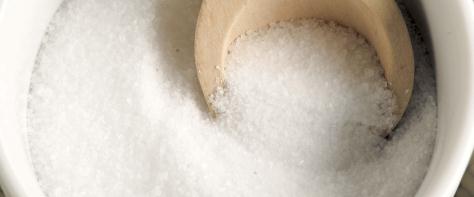
You can readily see the salt you get in a shaker—the snow-
colored grains you sprinkle onto this and measure into
that. But it’s the salt you can’t see that may pose a greater
threat to your health.
Most Americans get up to 75 percent of their sodium
from processed foods, such as soups, canned goods,
condiments and prepared mixes, according to the
Shake the sodium habit
The “Nutrition Facts” box on
food labels has information
you can use to make heart-
friendly choices. So start
at the top of the label and
look for the following:
Food labels
Heart experts
at the Market
FEB. 7, 7 TO 8:30 P.M.
NEW SEASONS MARKET
AT FISHER’S LANDING,
2100B SE 164TH AVE.,
VANCOUVER
Space is limited; registration
is required. Call 360.760.5005,
or visit www.NewSeasons
Market.com.
Your heart is an impressive
machine that is strong
and complex and has life-
sustaining powers. If you’re
concerned about how to
nourish and protect it, this
is the class for you. Learn
how risk-factor modification
through proper nutrition
and appropriate exercise
can keep your heart healthy
and keep you fit for a
lifetime. A change of heart
can potentially save your life!
Presented by Amy Surface,
PA-C, and Matt Nipper,
exercise physiologist,
PeaceHealth Southwest
Heart & Vascular Cardiology
1. Serving size, number of
servings in the package and
how many calories each
serving has. If you typically
eat two servings, you’ll
consume twice the nutrients
listed for this product.
2. Amount of total fat,
saturated fat, trans fat,
cholesterol and sodium
in each serving. Choose
foods with the lowest
amounts.
3. Dietary fiber, vitamins
and minerals each serving
contains. Look for foods
with high amounts of
these healthy nutrients.
For a quick way to tell if
a food has a little or a lot
of a particular nutrient,
such as saturated fat or
fiber, use the Daily Value
column. In general, a
Daily Value of 20 percent
or more is high, whereas
5percent or less is low.
American Heart Association (AHA).
To find out how much sodium is in a product,
check the label. Look for the words
soda
and
sodium
and the symbol
Na
.
SCALING BACK
Each of us should aim to eat less than 1,500 milligrams of
sodium a day, the AHA says. That’s the equivalent of less
than ¾ teaspoon of salt.
Keep in mind that even in their natural state, most foods
contain some sodium. Still, you can reduce the amount of
sodium you consume by limiting your intake of:
Salted snacks
Corned beef and luncheon meats
Canned foods and juices with salt
Cheeses and buttermilk
Seasoned salts, meat tenderizers and MSG
(monosodium glutamate)
Ketchup, mayonnaise and salad dressings
Want to see how your favorite foods fare? Check out
a current list of sodium content in common foods at
www.swmedicalcenter.org/sodium
.
www.swmedicalcenter.org
3